

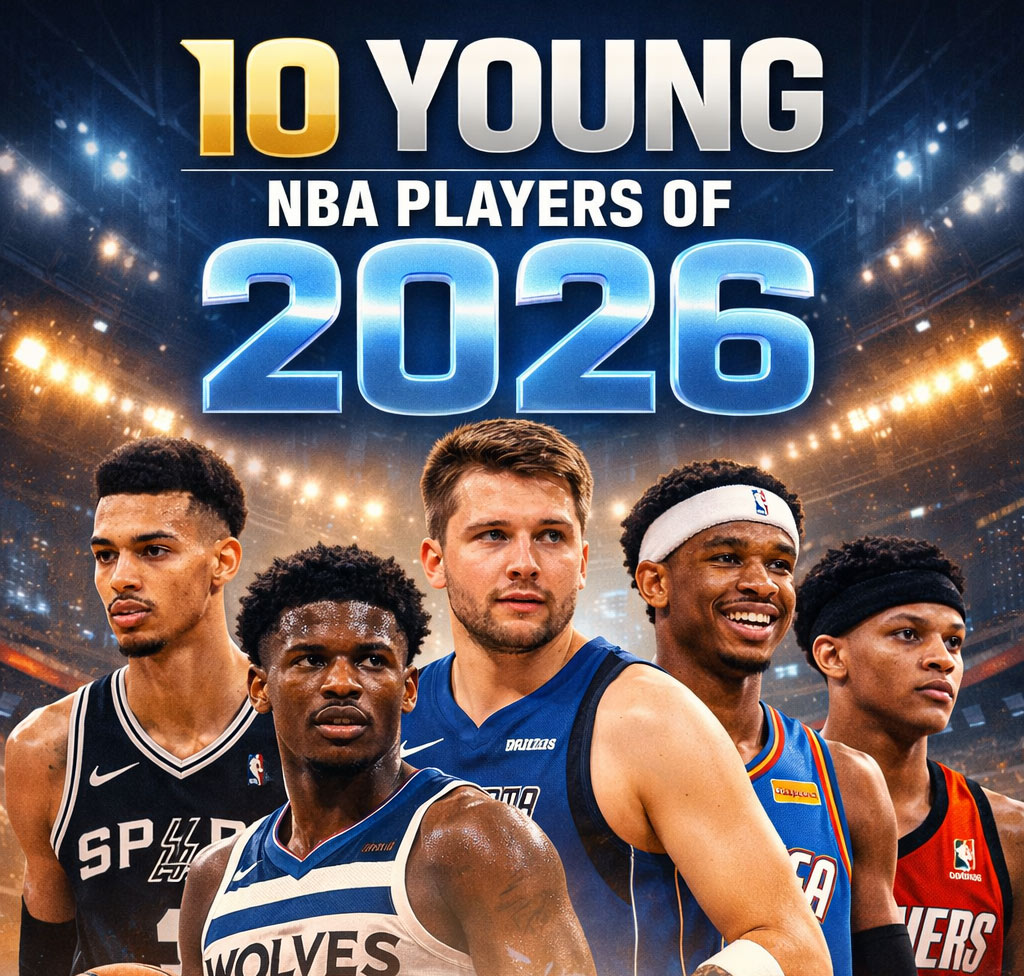
The NBA has always been a young man’s league, but 2026 feels different.
We’re no longer just talking about “potential.” We’re talking about young players who are already shaping playoff races, franchise timelines, and front-office strategies. These are guys under 25 who aren’t waiting their turn. They’re forcing the league to adjust to them.
As a lifelong NBA fan, here’s the thing: fans aren’t just searching for highlights anymore. They want context. Development arcs. Who’s real, who’s hype, and who’s about to break out next?
Let’s break it all down.
This list of the 10 best young NBA players of 2026 is based on on-court production, age, trajectory, advanced metrics, playoff impact, and long-term franchise value.
Why 2026 Is a Turning Point for Young NBA Stars
By 2026, several veterans from the LeBron–Steph–KD era are either retired or in reduced roles. That vacuum matters.
What this really means is opportunity.
Teams are now being built around players who are 19–24 years old, and many of them already carry All-NBA-level responsibility. Usage rates are up. Skill sets are broader. The modern NBA demands versatility, and this generation delivers.
From two-way wings to oversized playmakers, this is the most complete crop of young talent the league has ever seen.
1. Victor Wembanyama (San Antonio Spurs)
Age: 22
Position: Center / Forward
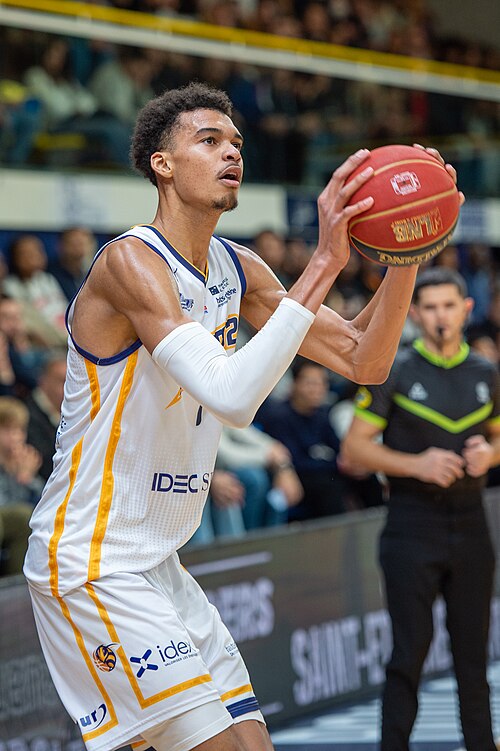
Why He’s Here: Franchise-altering talent
If you’re searching for the best young NBA player in 2026, start here.
Wembanyama isn’t just tall. That’s the lazy take. He’s a defensive system by himself and an offensive mismatch everywhere on the floor. By 2026, he’s already anchoring elite defenses while expanding his offensive bag from the perimeter.
Key strengths
- Elite rim protection and help defense
- Guard-like handle at 7’4”
- Rapid year-over-year efficiency gains
San Antonio’s defensive rating jumped significantly when Wembanyama was on the floor, even before the roster fully matured around him. That’s rare impact, especially for a player this young.
2. Anthony Edwards (Minnesota Timberwolves)
Age: 24
Position: Shooting Guard
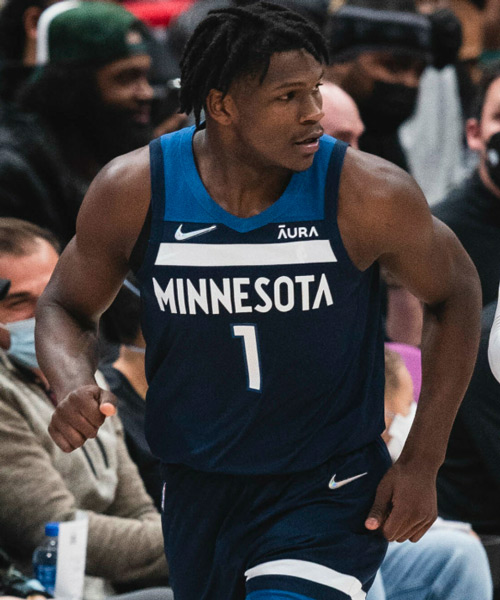
Why He’s Here: Alpha scorer with playoff teeth
Anthony Edwards is no longer “next up.” He’s here.
By 2026, Edwards will have established himself as one of the league’s most feared downhill scorers. His playoff performances showed something scouts love to see: confidence rises when the lights get brighter.
What separates Edwards
- Explosive first step
- Improved decision-making out of double teams
- Strong on-ball defense against elite wings
This is the kind of player teams tank years to draft.
3. Luka Dončić (Dallas Mavericks)
Age: 26 (young by NBA superstar standards)
Position: Point Guard
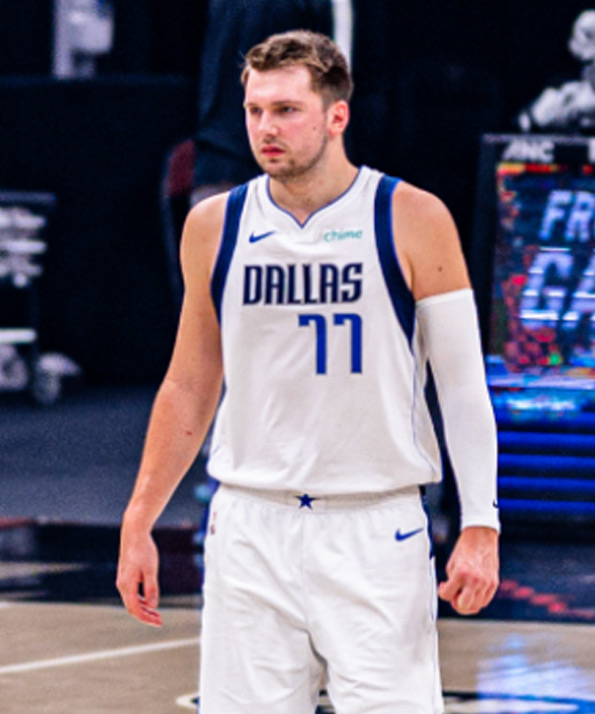
Why He’s Here: Offensive engine of an entire franchise
Yes, Luka is still young enough to qualify.
By 2026, Dončić will be a perennial MVP candidate. What keeps him on this list is how his game continues to age backward. His control of pace, manipulation of defenses, and playoff usage rival all-time greats.
Advanced insight
Luka consistently ranks near the top in usage rate without a corresponding drop in efficiency. That’s elite offensive gravity.
4. Shai Gilgeous-Alexander (Oklahoma City Thunder)
Age: 27 (borderline, but impact-driven)
Position: Guard
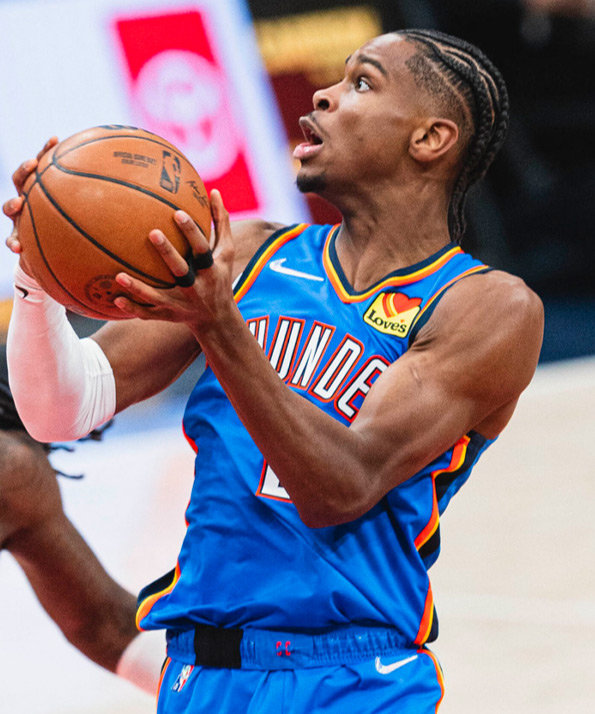
Why He’s Here: Efficiency meets composure
SGA’s rise has been methodical and devastating.
By 2026, he’s mastered the art of getting to his spots. His footwork, timing, and foul-drawing ability make him one of the hardest covers in the league.
Why teams fear him
- Elite midrange efficiency
- Strong defensive instincts
- Calm, late-game execution
Oklahoma City’s rebuild accelerated because SGA became a true cornerstone, not just a placeholder.
5. Paolo Banchero (Orlando Magic)
Age: 23
Position: Forward
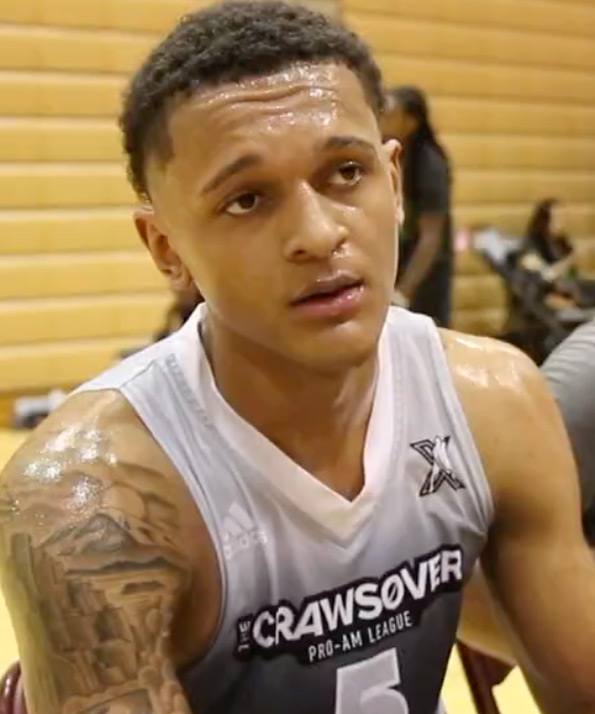
Why He’s Here: Power scorer with playmaking instincts
Paolo Banchero is the prototype modern forward.
Big enough to bully smaller defenders. Skilled enough to initiate offense. By 2026, he’s become the emotional and tactical leader of a young Magic core.
Development trend
- Improved three-point consistency
- Better reads out of post-ups
- Increased defensive engagement
This is what sustainable franchise building looks like.
6. Tyrese Haliburton (Indiana Pacers)
Age: 25
Position: Point Guard
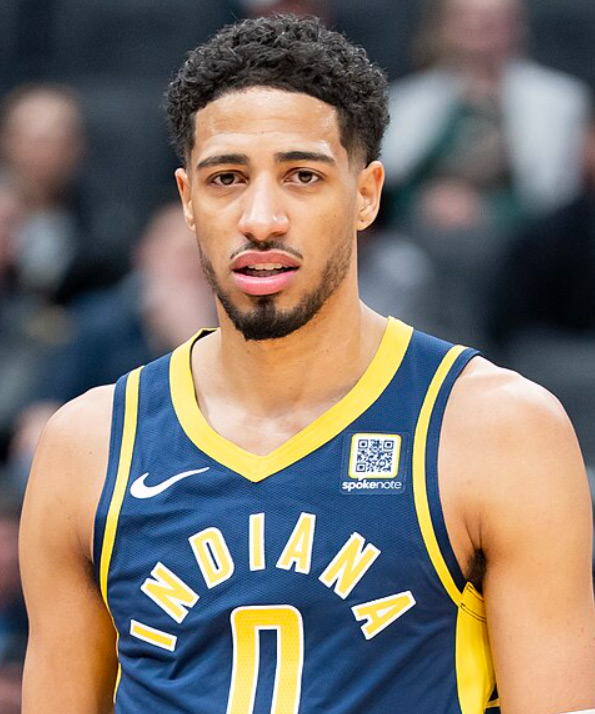
Why He’s Here: Pure offensive orchestration
Haliburton doesn’t dominate headlines, but coaches love him.
He’s one of the league’s most efficient passers, combining elite vision with low turnover rates. By 2026, Indiana’s offense flows through his decision-making.
Why he matters
- Elite assist-to-turnover ratio
- Deep shooting range
- Makes teammates better
7. Chet Holmgren (Oklahoma City Thunder)
Age: 24
Position: Center
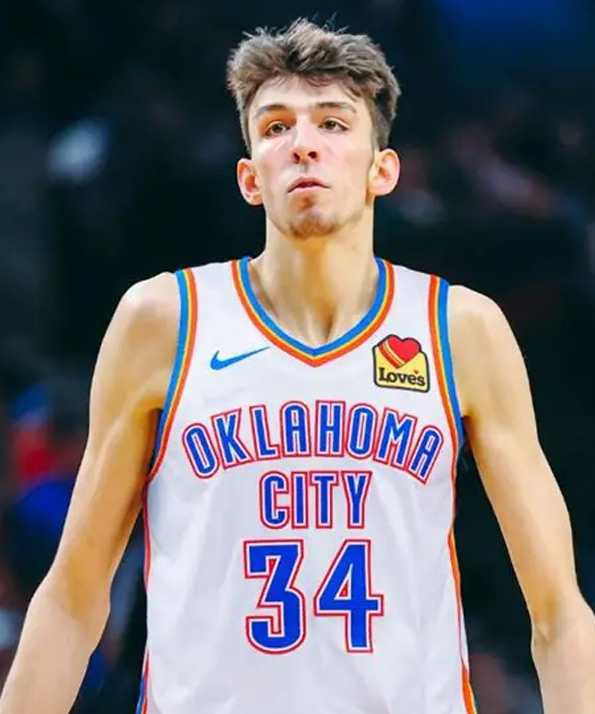
Why He’s Here: Two-way unicorn
Chet Holmgren complements stars without disappearing next to them.
He spaces the floor, protects the rim, and understands team defense at an advanced level. In OKC’s system, he thrives because he doesn’t need the ball to impact winning.
Advanced metric edge
- Strong block percentage
- Above-average defensive EPM
- Efficient spot-up shooting
This is modern NBA efficiency personified.
8. Cade Cunningham (Detroit Pistons)
Age: 24
Position: Guard
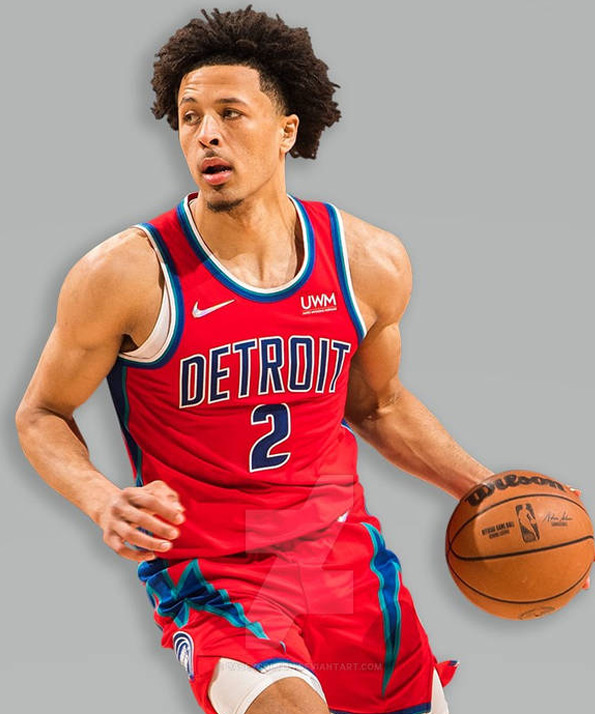
Why He’s Here: Context-adjusted excellence
Cade’s numbers don’t always tell the whole story.
Playing on rebuilding rosters can hide growth, but by 2026, Cunningham’s control of tempo and improved shooting have started to translate into wins.
What stands out
- Size at the guard position
- Improved catch-and-shoot efficiency
- Leadership under pressure
He’s closer to a breakout than most casual fans realize.
9. Jalen Williams (Oklahoma City Thunder)
Age: 24
Position: Wing
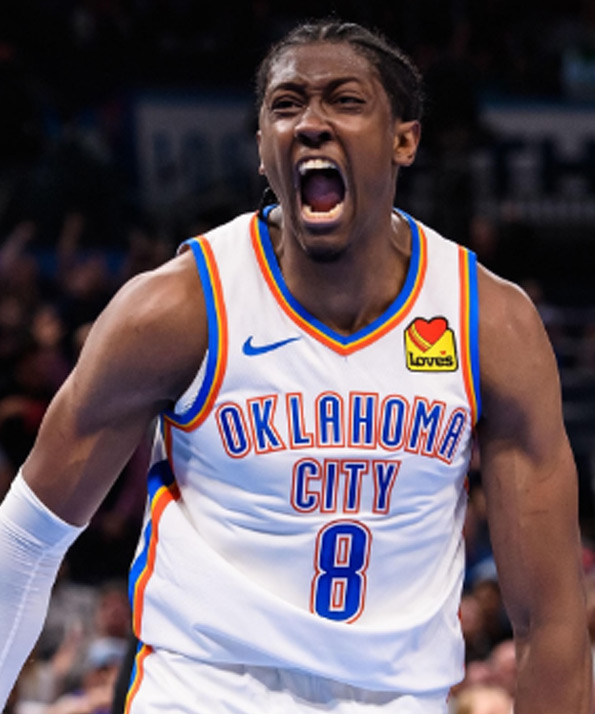
Why He’s Here: The ultimate connector
Every great team has one.
Jalen Williams does everything well without demanding attention. He defends multiple positions, scores efficiently, and makes quick reads.
Why contenders value him
- High basketball IQ
- Switchable defense
- Low-usage efficiency
He’s the type of player who swings playoff series quietly.
10. Scoot Henderson (Portland Trail Blazers)
Age: 22
Position: Point Guard
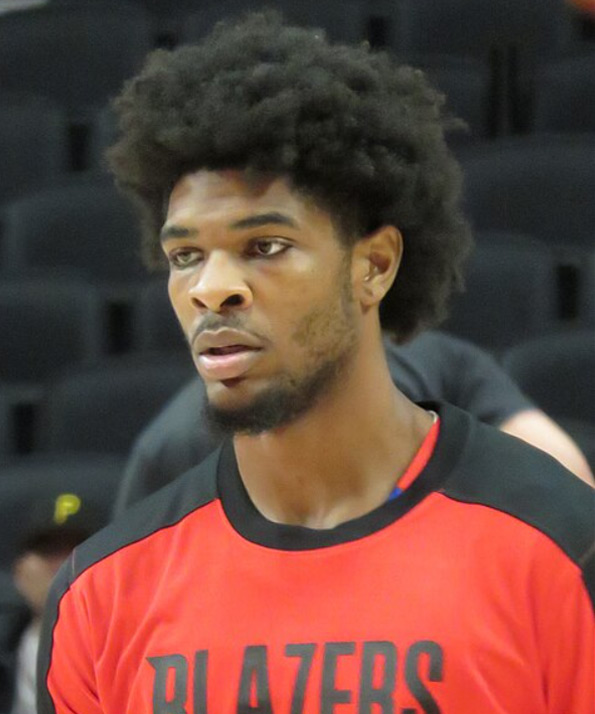
Why He’s Here: Explosive upside
Scoot’s development hasn’t been linear, but the ceiling is undeniable.
By 2026, his decision-making has caught up to his athleticism. When that happens, defenses struggle to stay in front of him.
Growth areas paying off
- Improved pull-up jumper
- Better defensive discipline
- Stronger leadership voice
What This Generation Means for the NBA’s Future
Here’s the bigger picture.
The young NBA stars of 2026 aren’t specialists. They’re multi-skilled, position-flexible, and mentally ahead of where past generations were at the same age.
From a league standpoint, this means:
- Faster rebuilds
- Fewer traditional positions
- More international influence
- Higher skill floor across rosters
For fans, it means better basketball, deeper playoff rotations, and rivalries that could last a decade.
Final Thoughts and Call to Action
If you’re tracking the NBA closely, this list isn’t just about rankings. It’s about understanding where the league is headed.
Dynasties start young. MVPs emerge early. And the smartest fans are the ones paying attention before the rest catch up.
If you enjoyed this breakdown, explore more in-depth NBA analysis, player development pieces, and future-focused rankings on our site. And if you disagree with the list, even better. That’s what honest basketball conversations are built on.
Who’s your top young NBA player of 2026?